






A personal history: 17. Innovation in distance education at UBC
I am writing an autobiography, mainly for my family, but it does cover some key moments in the development of open and online learning....
A personal history: 16. NAFTA, videoconferencing, and getting lost in Texas
I am writing an autobiography, mainly for my family, but it does cover some key moments in the development of open and online learning....

A personal history: 15. How technology changed distance education in the mid 1990s
I am writing an autobiography, mainly for my family, but it does cover some key moments in the development of open and online learning....

A personal history: 14. Strategic planning, nuclear weapons, and the OLA
I am writing an autobiography, mainly for my family, but it does cover some key moments in the development of open and online learning....
A personal history: 13. OLA and international distance education, 1990-1993
I am writing an autobiography, mainly for my family, but it does cover some key moments in the development of open and online learning....

A personal history: 12. My first couple of years at the Open Learning Agency
I am writing an autobiography, mainly for my family, but it does cover some key moments in the development of open and online learning....

A personal history: 11. The creation of the OLA and a lesson about backing-up...
Listen to Post
I am writing an autobiography, mainly for my family, but it does cover some key moments in the development of open...
A personal history of ed tech: 10. Why I emigrated to Canada
Listen to Post
I am writing an autobiography, mainly for my family, but it does cover some key moments in the development of open and...

A personal history: 9 The Northern Ireland Troubles and bun hurling at Lakehead University
I am writing an autobiography, mainly for my family, but it does cover some key moments in the development of open and online learning....
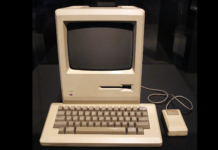
A personal history: 8. The start of the digital revolution
1985 was a significant year for me. I got my first desk-top computer and discovered the Internet.
The state of technology in 1984
It is hard...