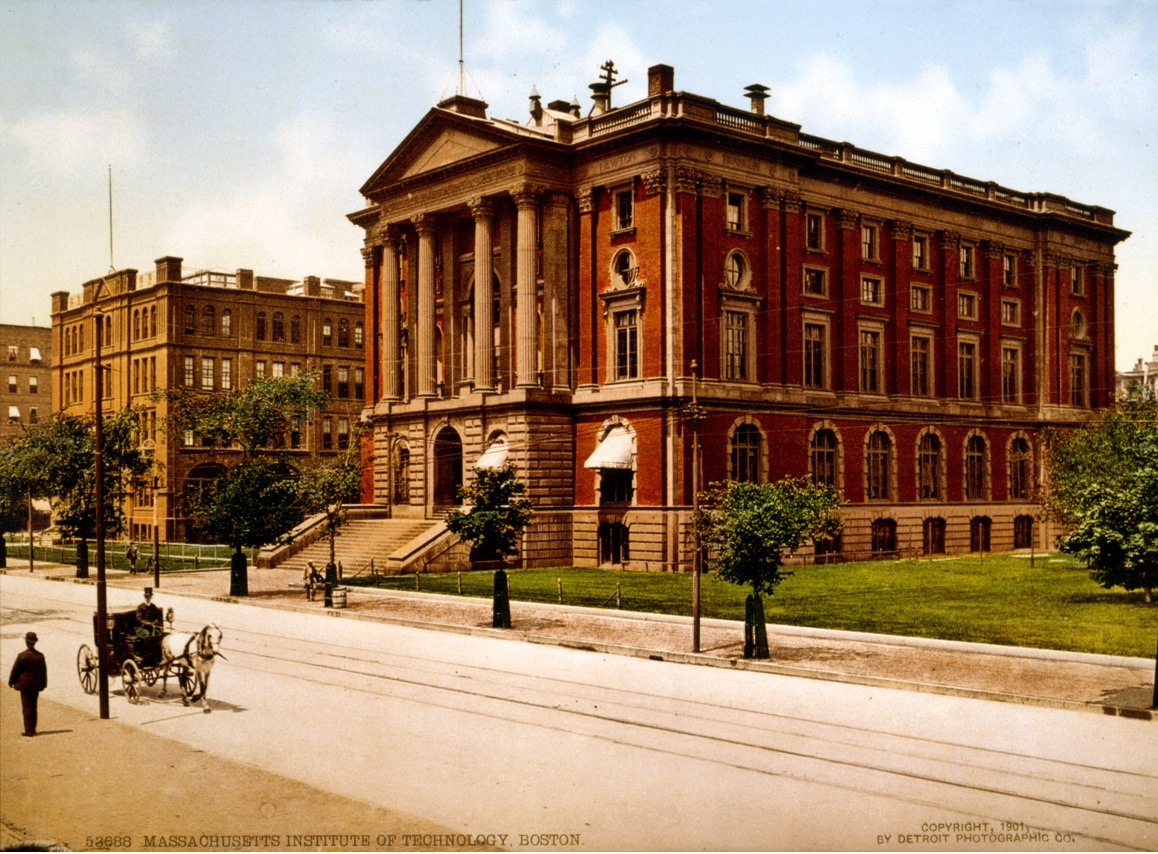
Associated Press (2011) With an extra letter, MIT will offer certificates for coursework in popular online offerings Washington Post, December 18
Parry, M. (2011) MIT Will Offer Certificates to Outside Students Who Take Its Online Courses Chronicle of Higher Education, December 19
MIT has announced its intentions to offer a certificate to students who complete successfully an online version of their courses. It’s not clear from the announcement whether these will be credit courses designed for online learning, or will depend on successful completion of a challenge exam built around MIT’s Opencourseware material.
Edudemic states:
This is big. M.I.T., the hub of education and technology where innovations seem to happen on an hourly basis… has just unveiled the future of online education. Basically, you can now earn official credits toward an M.I.T. certificate by taking their free and online courses.
But will someone explain to me why is this so special? Most universities now offer open access to continuing education courses online (often also offered as credit courses) and offer a certificate for successful completion (for instance Oxford University has been doing this for several years). UBC’s distance education courses were available to Open Learning Agency students as part of the BC open university degree as long ago as the late 198os. Why does the MIT initiative warrant this attention? Indeed, if it is a challenge exam based on recordings of classroom lectures, the completion rate is likely to be much lower than for courses designed for distance study, if the history of such courses over the last 50 years is anything to go by.
I fear that some of these elite institutions in the USA are making it up as they go and are failing to base their strategies on the substantial body of knowledge, research and experience that already exists about online learning and distance education. They are coming to the party late, making a mess, and bragging about it. Hubris is the word that comes to mind. Welcome to the 20th century, MIT – now how about the 21st?
See also Stephen Downes


Recent Comments
R on What’s right and what’s wrong about Coursera-style MOOCs
What a bunch of cry babies. Hello free education, material, quizzes peer grading. Its not easy to personalize. You must...worried wart on What’s going on at Athabasca University?
I am a bit worried as a distance student in Toronto. I am completing courses towards the CMA designation. I...formación online on Una mirada personal sobre el uso de tecnologías digitales en la formación de docentes en los INFDs de Argentina.
Muy interesante gracias por compartirlo.Tony Bates on Discussing design models for hybrid/blended learning and the impact on the campus
Very nice story, Howard. Yes, I guess that sums up my law of equal substitution - it all depends on the...Howard Davis on Discussing design models for hybrid/blended learning and the impact on the campus
Hi Tony, not to muddle your observation about "high/low" emotional meetings since I agree with it, but I have direct...Tony Bates on Discussing design models for hybrid/blended learning and the impact on the campus
Good comments, Denise. I agree: I think 'non-academic' or non-content issues, such as availability of support, cost, student needs, and methods...Tony Bates on Discussing design models for hybrid/blended learning and the impact on the campus
Thanks for this comment, Howard. Your 'flipped' question is an interesting one. I think at an exploratory stage, for brainstorming, etc.,...Math Calculus on e-learning outlook for 2012: will it be a rough ride?
I think it will not be tough as long as the educators are going to do their best